

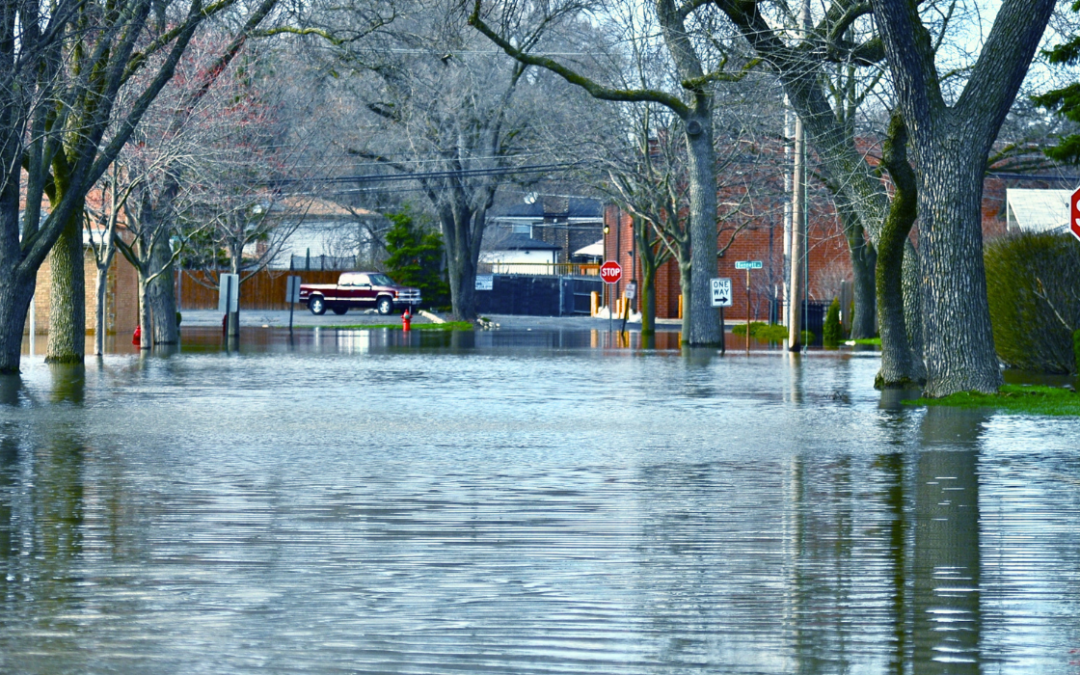
When heavy rain, hurricanes, or flash flooding make headlines, many homeowners assume their insurance policy will cover any resulting damage. Unfortunately, that’s not always the case.
One of the most common misconceptions in personal insurance is that homeowners insurance covers flood damage. In reality, standard homeowners insurance and flood insurance are designed to protect against very different types of losses. Understanding the difference can help homeowners avoid costly surprises and make more informed decisions about protecting their property.
Homeowners insurance generally covers damage from fire, wind, theft, vandalism, and certain types of sudden water damage. Flood damage is typically excluded and requires a separate flood insurance policy. Standard flood insurance policies are available through the National Flood Insurance Program (NFIP) and many private insurers.
Why Flood Damage Is Treated Differently
Insurance policies are designed around specific risks. While homeowners insurance covers many common causes of property damage, flooding presents unique challenges because a single weather event can impact thousands of homes simultaneously.
As a result, flood damage is generally excluded from standard homeowners policies and must be insured separately. FEMA notes that most homeowners insurance policies do not cover flood damage, regardless of whether the property is located in a designated flood zone.
This distinction often catches homeowners off guard, especially after severe weather events.
What Homeowners Insurance Typically Covers
Homeowners insurance is designed to protect your home and personal property from a variety of covered perils. Typical coverage may include:
Damage to Your Home
- Fire and smoke damage
- Windstorms and hail
- Lightning strikes
- Vandalism
- Theft
- Certain types of sudden and accidental water damage
For example, if a pipe suddenly bursts and damages drywall, flooring, and furniture, homeowners insurance will often respond to the resulting damage, provided the loss was sudden and accidental.
Personal Property
Coverage typically extends to belongings such as:
- Furniture
- Clothing
- Electronics
- Appliances
- Certain valuables, subject to policy limits
Many homeowners can also add endorsements or scheduled coverage for higher-value items such as jewelry, fine art, collectibles, or watches.
Liability Protection
Homeowners insurance generally includes liability coverage that may help protect you if someone is injured on your property or if you inadvertently cause damage to another person’s property.
Additional Living Expenses
If a covered loss makes your home temporarily uninhabitable, your policy may help pay for:
- Hotel stays
- Restaurant meals
- Temporary housing
- Other necessary living expenses above your normal costs
This coverage is commonly referred to as “loss of use” coverage.
What Flood Insurance Covers
Flood insurance is specifically designed to address damage caused by flooding.
Under NFIP guidelines, a flood generally involves water inundating normally dry land due to overflowing bodies of water, storm surge, or unusual accumulation of surface water.
Flood insurance is typically divided into two categories:
Building Coverage
Building coverage may help pay for damage to:
- Foundation walls
- Electrical systems
- Plumbing systems
- Furnaces and water heaters
- Built-in appliances
- Permanently installed carpeting
- Cabinets and bookcases
- Detached garages (subject to policy provisions)
Contents Coverage
Contents coverage may help protect:
- Furniture
- Clothing
- Electronics
- Curtains
- Portable appliances
- Certain valuable items (subject to limits)
Under NFIP policies, building and contents coverage are typically purchased separately and may have separate deductibles.
Do You Need Flood Insurance If You’re Not in a Flood Zone?
Many homeowners assume they only need flood insurance if their lender requires it, creating significant coverage gaps.
Flooding can occur far from oceans, rivers, and designated high-risk areas. FEMA notes that floods can happen virtually anywhere, and flood insurance is available in participating communities nationwide.
In addition, flood risk can change over time due to:
- New development and construction
- Changes to drainage patterns
- More intense rainfall events
- Coastal erosion
- Aging infrastructure
For many homeowners, heavy rain, coastal storms, and tropical systems can all create flood exposures that may not be fully reflected by historical assumptions.
Next steps
Homeowners insurance and flood insurance work together, not as substitutes for one another. While homeowners insurance helps protect against many common property risks, flood damage typically requires separate coverage.
As weather patterns continue to evolve and severe storms impact coastal communities, reviewing your flood exposure is an important part of a comprehensive risk management strategy.
At Smith Brothers Insurance, we help homeowners understand the important differences between standard homeowners insurance and flood insurance so they can make informed coverage decisions before a loss occurs. Contact the Smith Brothers Personal Lines team today for a personalized coverage review and expert guidance tailored to your needs.
Frequently Asked Questions
Does homeowners insurance cover flooding from heavy rain?
Generally, no. If water enters the home because of surface flooding, storm surge, or rising water from outside, a separate flood insurance policy is typically required.
Is flood insurance required?
Flood insurance is often required by lenders for homes located in certain high-risk flood zones, but many homeowners purchase it voluntarily for additional protection.
Does flood insurance cover personal belongings?
Yes, contents coverage can help protect belongings such as furniture, clothing, and electronics, though coverage limits and deductibles apply.