

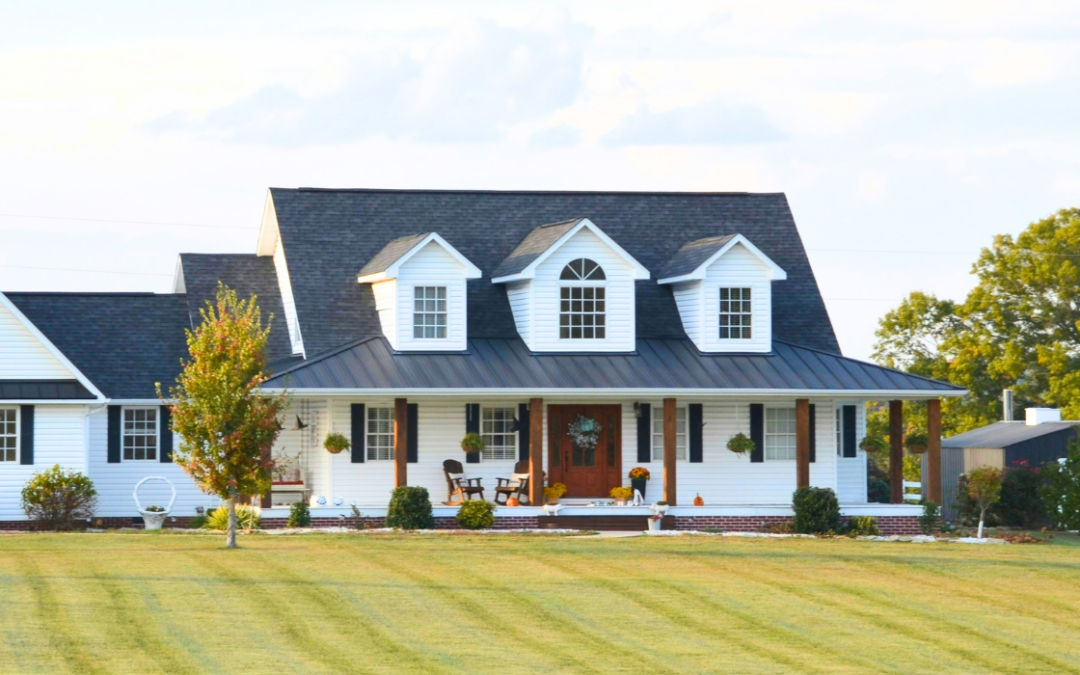
Many homeowners are asking, “Why is my homeowners insurance so expensive?” Whether you’re buying a new home or reviewing your current policy, understanding what drives homeowners insurance costs can help you make informed coverage decisions and potentially lower your premium.
Homeowners insurance costs are based on a variety of factors, including:
- Your home’s age, location, and construction type
- The home’s replacement cost
- Your claims history
- Coverage limits and deductibles
- Local weather and catastrophe risks
- Features such as pools, trampolines, or wood-burning stoves
- Available discounts and bundled policies
While price is important, the least expensive policy isn’t always the best value. The right homeowners insurance policy balances affordability with adequate protection for your home, belongings, and financial future.
Why Have Homeowners Insurance Costs Increased?
Many homeowners have seen their premiums rise in recent years. Several factors are contributing to these increases:
Rising Construction Costs
The cost to repair or rebuild homes has increased due to:
- Higher material costs
- Increased labor expenses
- Supply chain disruptions
- Regional construction demand
Because insurance is designed to help rebuild your home after a covered loss, higher rebuilding costs often result in higher insurance premiums.
More Severe Weather Events
Storms, hurricanes, hail, wildfires, and flooding events have led to significant insurance losses nationwide.
As insurers pay more claims and face greater catastrophe exposure, rates may increase across entire regions.
Increased Property Values
Home values and replacement costs don’t always move together, but rising property values often prompt policy reviews and coverage adjustments that can affect premiums.
What Factors Affect Homeowners Insurance Costs?
- The Cost to Rebuild Your Home
One of the biggest factors influencing insurance prices is your home’s replacement cost.
Replacement cost considers:
- Square footage
- Construction materials
- Local labor costs
- Custom features
- Architectural details
A larger or more expensive home generally costs more to insure because it would cost more to repair or rebuild after a loss.
- Where You Live
Location plays a significant role in insurance pricing.
Insurers consider:
- Weather risks
- Crime rates
- Fire protection services
- Distance to the nearest fire station
- Historical claims data
For example, homes in areas prone to coastal storms or severe weather may have higher premiums than similar homes located in lower-risk areas.
- Your Claims History
Insurance companies often review prior claims when determining premiums.
Multiple claims may indicate an increased likelihood of future losses, which can impact pricing.
Common claims include:
- Water damage
- Wind damage
- Liability claims
- Theft losses
- Your Deductible
Your deductible is the amount you pay before insurance responds to a covered loss.
In general, higher deductibles can reduce premiums while lower deductibles typically increase premiums.
Choosing a deductible should reflect your financial comfort level and ability to absorb unexpected expenses.
- Coverage Limits and Endorsements
The amount and type of coverage you purchase directly affects your premium.
Additional protections that may increase costs include:
- Scheduled jewelry coverage
- Water backup coverage
- Equipment breakdown coverage
- Identity theft protection
- Increased liability limits
While these endorsements may increase premiums, they can also provide valuable protection against coverage gaps.
Why Are Two Similar Homes Insured at Different Prices?
Homeowners are often surprised when neighbors with similar homes pay different premiums.
Insurers may consider:
- Claims history
- Credit-based insurance factors (where permitted)
- Coverage selections
- Deductibles
- Prior insurance history
- Individual underwriting characteristics
Even small differences in a policy’s coverage can lead to pricing variations.
Ways to Potentially Lower Your Homeowners Insurance Costs
Bundle Your Policies
Many insurers offer discounts when homeowners and auto insurance are placed with the same company.
Increase Your Deductible
A higher deductible may reduce premium costs if it aligns with your financial situation.
Improve Home Safety
Certain upgrades may qualify for discounts, including:
- Security systems
- Smoke detectors
- Water leak detection devices
- Impact-resistant roofing materials
Review Your Policy Regularly
Life changes, renovations, new purchases, and changing insurance markets can all affect coverage needs.
An annual review helps ensure you’re not overinsured, underinsured, or paying for coverage that no longer fits your situation.
Frequently Asked Questions
What is the average cost of homeowners insurance?
Homeowners insurance costs vary significantly depending on location, home characteristics, coverage selections, and insurer pricing. There is no one-size-fits-all premium.
Will filing a claim increase my premium?
It can. The impact varies based on factors such as claim type, claim frequency, insurance company guidelines, and state regulations.
Does homeowners insurance cover maintenance issues?
No. Homeowners insurance is designed to cover sudden and accidental losses, not routine maintenance or wear and tear.
How often should I review my homeowners insurance?
Most insurance professionals recommend reviewing your coverage annually and whenever significant life or property changes occur.
The Bottom Line
Homeowners insurance premiums are influenced by many factors, including rebuilding costs, location, claims history, coverage selections, and evolving market conditions. While rising premiums can be frustrating, understanding what drives pricing can help you make informed decisions about your coverage.
The most effective insurance strategy isn’t simply finding the lowest premium, it’s ensuring your home, belongings, and assets are properly protected if the unexpected happens.
Have Questions About Your Homeowners Insurance?
Whether you’re purchasing a new home or reviewing your current coverage, the Smith Brothers Personal Lines team is here to help.
Our experienced advisors can:
- Review your current homeowners insurance policy
- Identify potential coverage gaps
- Explain what is driving your insurance costs
- Explore available discounts and savings opportunities
- Ensure your home is properly protected
Contact the Smith Brothers Personal Lines team today for a personalized coverage review and expert guidance tailored to your needs.